Dwarf Japanese Maple Care Guide: Everything You Need to Know
Key Takeaways
- Plant in early spring or early fall in USDA zones 5-8, with afternoon shade in hot climates
- Dwarf cultivars grow slowly (6-12 inches per year), reaching 4-8 feet at maturity
- Consistent moisture and well-draining, slightly acidic soil are essential for healthy growth
- Minimal pruning is needed; remove deadwood in late fall to mid-winter while dormant
- Most common problems stem from poor drainage, sun exposure, or drought stress
Table of Contents
- Understanding Dwarf Japanese Maple Cultivars
- Selecting the Right Location
- Planting Your Dwarf Japanese Maple
- Watering and Moisture Management
- Pruning and Shaping
- Fertilizing and Soil Care
- Pests, Diseases, and Common Problems
- Container Growing
Understanding Dwarf Japanese Maple Cultivars
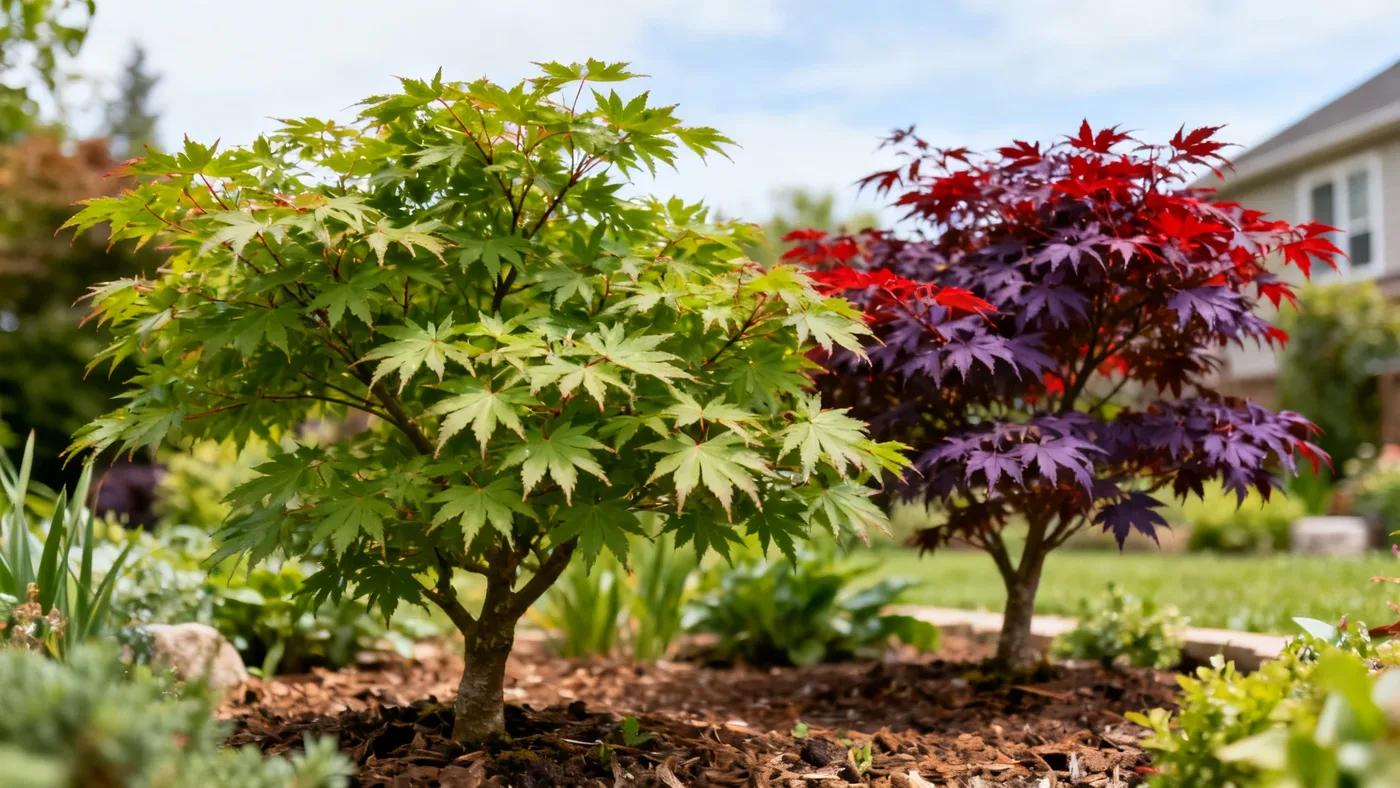
Dwarf Japanese maples (Acer palmatum dwarf cultivars) are prized for their ornamental foliage, delicate branching structure, and stunning fall color. The most common cultivars you will encounter at nurseries include 'Bloodgood', 'Crimson Queen', 'Tamukeyama', and 'Shaina', each offering distinct growth habits and seasonal displays.
These are deciduous shrubs or small ornamental trees that belong to the Sapindaceae family. Unlike their larger Japanese maple relatives, dwarf cultivars are specifically bred for compact growth, making them ideal for smaller landscapes, foundation plantings, and container gardens.
Growth Rate and Mature Size
Dwarf Japanese maples are notably slow-growing plants, adding roughly 6 to 12 inches per year. This measured growth rate actually works in your favor: it means your tree will take 5 to 10 years to reach its full, well-shaped form, allowing you to train and refine its structure gradually.
Most dwarf cultivars mature at 4 to 8 feet tall and 4 to 8 feet wide, though exact dimensions vary by variety. Weeping and mounding forms often stay in the 4-6 foot range, while upright dwarfs may eventually reach 8-10 feet. Always check the specific cultivar name when selecting a plant; this tells you whether you are getting a weeping, mounding, or upright form.
Foliage and Seasonal Color
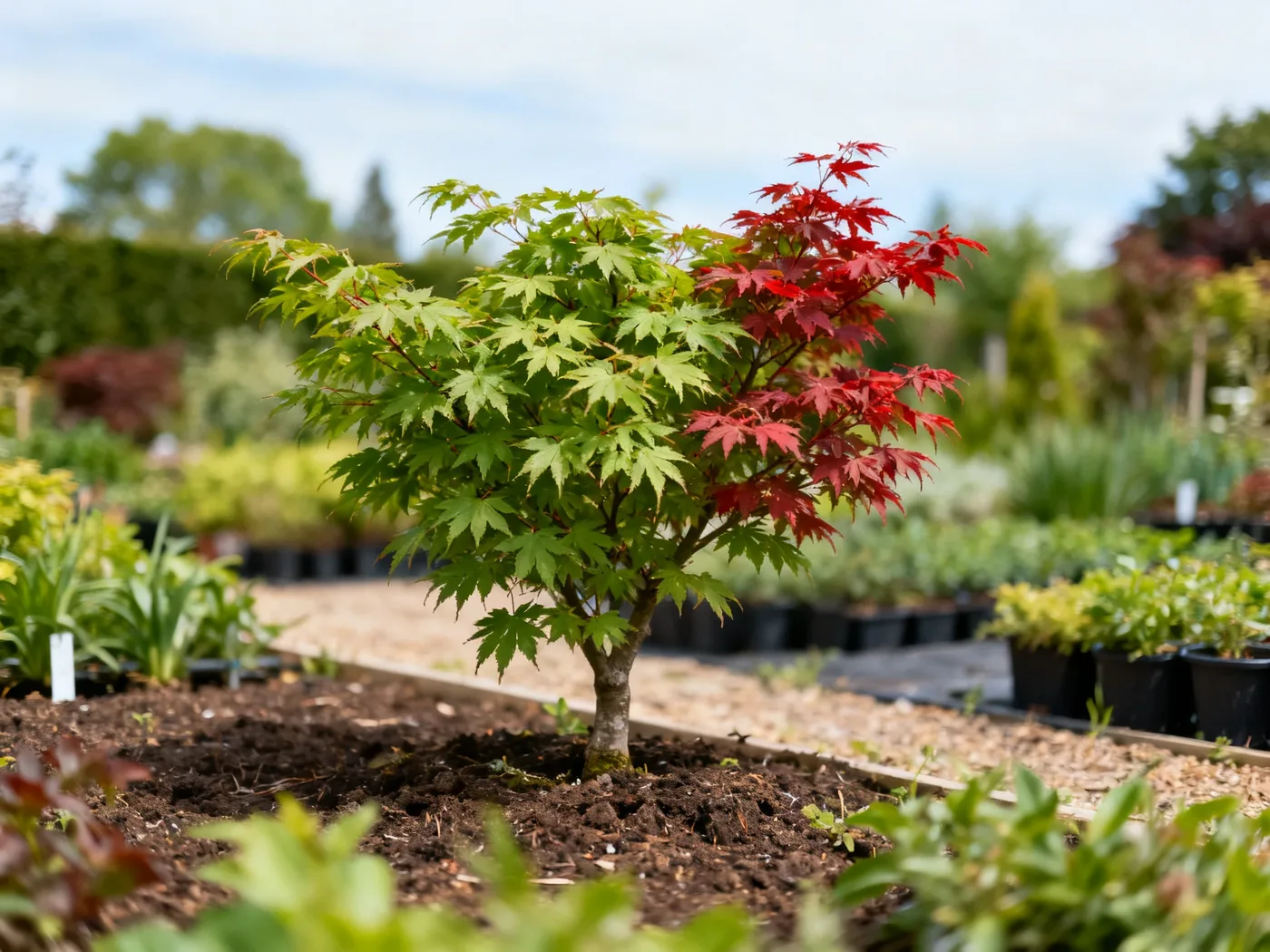
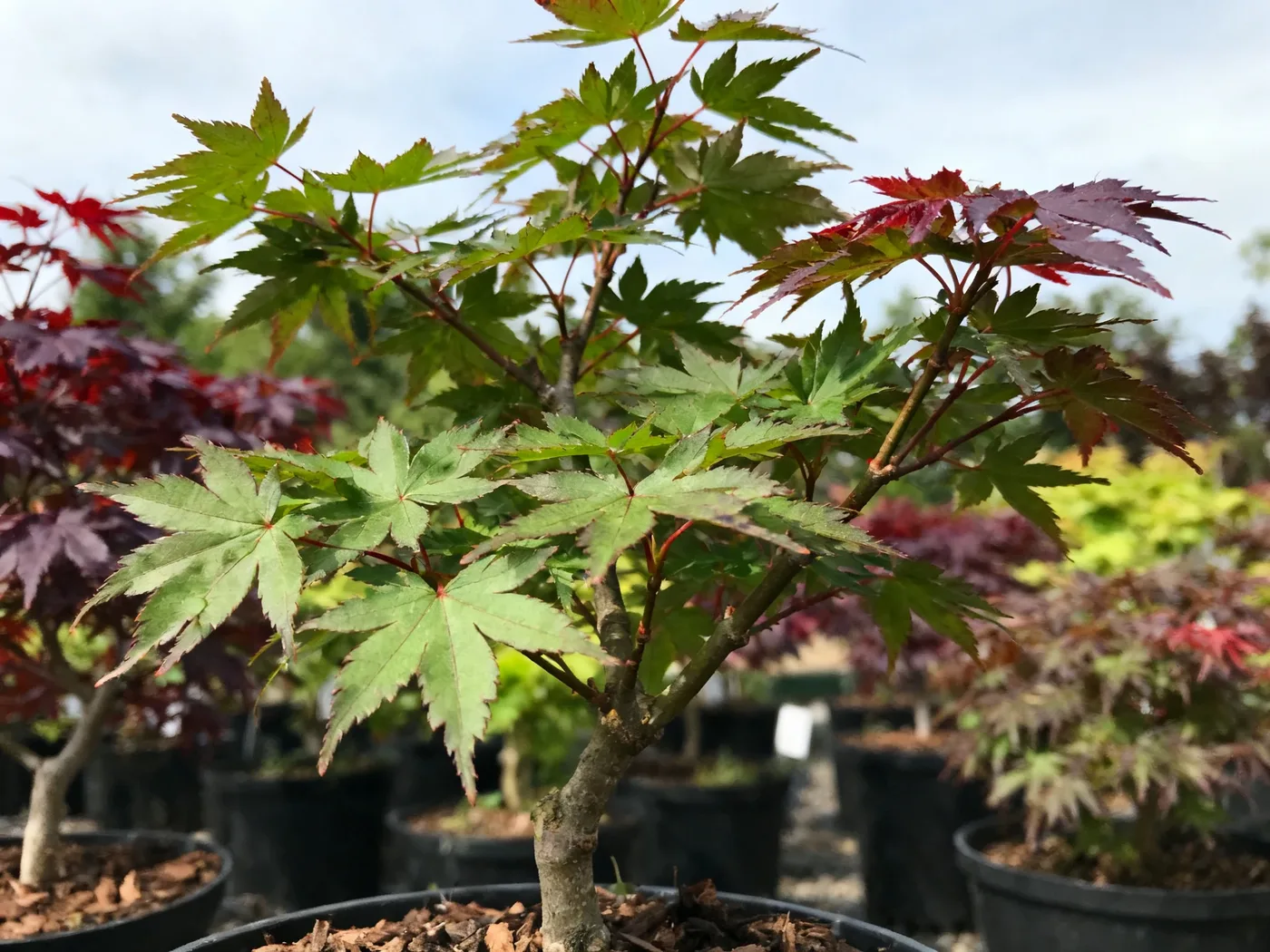
The deeply lobed palmate leaves with 5-9 lobes are the signature feature. Leaf color varies dramatically by cultivar, ranging from green to burgundy to variegated patterns. Spring flowers appear in April-May but are inconspicuous, so plan your visual interest around the foliage instead.
Fall color is often the standout feature. Depending on your cultivar, expect brilliant red, orange, or gold displays that can rival any shade tree in the landscape. This seasonal performance is one reason dwarf Japanese maples command such loyalty from gardeners.
Selecting the Right Location
Getting light exposure right is crucial for how to care for dwarf Japanese maple successfully. These trees prefer part sun to part shade, but the exact balance depends on your climate.
Sunlight Requirements by Climate
In cooler regions and coastal zones, dwarf Japanese maples tolerate more sun exposure. However, in hot climates, morning sun combined with afternoon shade is the sweet spot. This arrangement gives the tree enough light for healthy growth and good fall color without exposing it to the intense afternoon heat that causes leaf scorch.
If you live in USDA zones 8 or 9, afternoon shade becomes almost mandatory. In zones 5-7, you have more flexibility but should still avoid the hottest, most exposed western exposures, especially if your site is windy.
Hardiness Zones
Most dwarf Japanese maple cultivars thrive in USDA zones 5-8. Some cultivars extend into zone 9 with afternoon shade protection. Check your local extension service or the specific cultivar label to confirm hardiness for your location before planting.
Wind Protection
Wind compounds the stress from intense sun. Position your tree where it receives some shelter from strong winds, which can dry out foliage and damage the delicate branching structure. A spot at the edge of a tree line or near a building often provides ideal protection.
Planting Your Dwarf Japanese Maple
Timing
Plant dwarf Japanese maples in early spring or early fall. These seasons avoid the stress of summer heat and the risk of winter dieback. Spring planting gives roots time to establish before hot weather; fall planting allows roots to settle over winter.
Soil Preparation
Dwarf Japanese maples are sensitive to poor drainage, so this step is non-negotiable. Amend your planting hole with rich, well-draining loam. The ideal soil pH is slightly acidic to neutral, roughly 5.5-6.5. If your soil tends toward alkaline, work in compost or peat to lower the pH and improve drainage.
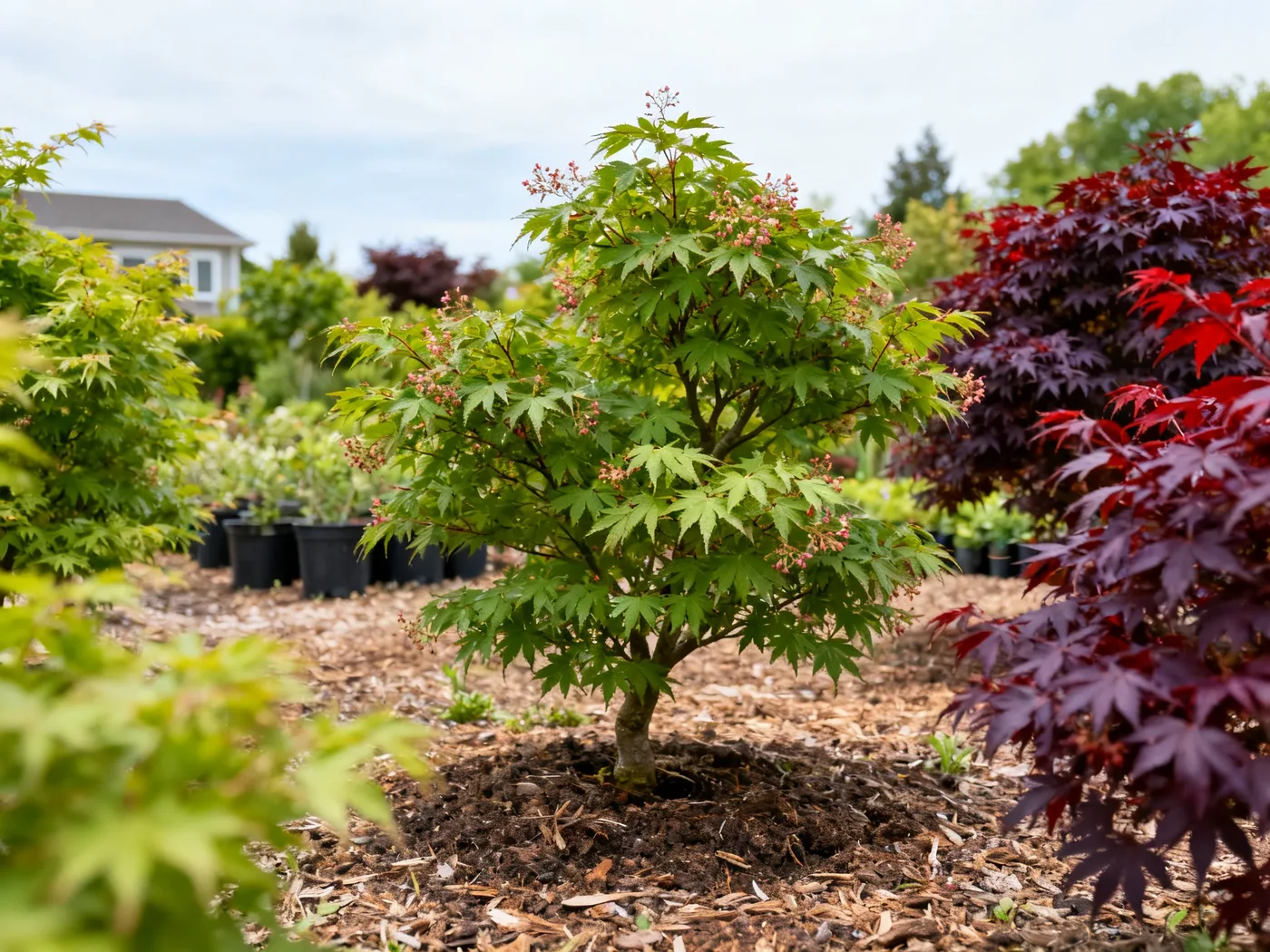
Dig a hole two to three times wider than the root ball but no deeper. The top of the root ball should sit level with the ground surface, not below it. Backfill with amended soil, water gently to settle it, and add mulch around the base, keeping it 2-3 inches away from the trunk.
Spacing
If you are planting multiple dwarf Japanese maples in a group, space them 3 to 6 feet apart, depending on the mature spread of the specific cultivar. Closer spacing in a grove creates a more dramatic effect; wider spacing suits specimen plantings or mixed borders.
Watering and Moisture Management
Consistent moisture is essential for caring for dwarf Japanese maple trees. These plants do not tolerate drought well, especially during establishment and in containers.
Frequency and Depth
Water deeply and regularly, aiming for moderate, consistent moisture at the root level. In-ground trees typically need supplemental watering during hot, dry spells. Feel the soil 2-3 inches down; if it feels dry, water thoroughly until moisture penetrates 6-8 inches deep.
Overwatering is also a concern, particularly in clay-heavy soils. The root system can suffer from root rot if the soil stays waterlogged. This is why drainage amendments are so critical at planting time.
Container Watering
Container-grown dwarf Japanese maples dry out faster than in-ground trees and demand daily watering during the growing season, sometimes twice daily in peak summer. Never let containers dry out completely. Check soil moisture daily and water until excess drains from the bottom.
Pruning and Shaping
One of the beauties of dwarf Japanese maple care is that minimal pruning is required. These trees naturally develop an attractive branching structure and rarely need heavy-handed intervention.
When to Prune
Prune in late fall to mid-winter while the tree is dormant. Pruning during this window reduces the risk of sap bleed (excessive bleeding of sap from cut surfaces), which can attract disease. Avoid pruning in spring when the tree is actively leafing out.
What to Remove
Focus on removing deadwood, crossing branches, and diseased growth. Light shaping to refine the silhouette is acceptable if needed. Resist the urge to over-prune; the goal is to enhance the tree's natural form, not create a formal hedge or topiary.
Make cuts just above an outward-facing bud or at the branch collar (the slightly thickened area where a branch meets the trunk). Do not leave stubs, as they invite disease entry.
Fertilizing and Soil Care
Fertilizing Schedule
Dwarf Japanese maples do not need heavy feeding. Apply a light application of balanced, slow-release fertilizer formulated for acid-loving or woody ornamentals in early spring as growth resumes. Follow the label instructions closely and avoid over-fertilizing, which can promote leggy growth and reduce fall color intensity.
Mulch and Maintenance
Maintain a 2-3 inch layer of mulch around the base of the tree to conserve moisture, regulate soil temperature, and suppress weeds. Use bark chips, shredded leaves, or compost. Keep mulch back from the trunk to prevent rot and pest damage.
As mulch breaks down over time (typically 1-2 years), replenish it. This ongoing decomposition also enriches the soil with organic matter, which dwarf Japanese maples appreciate.
Pests, Diseases, and Common Problems
Pests
Common pests include aphids, scale, Japanese beetles, and borers (typically on stressed plants). Regular inspection of new growth and the undersides of leaves helps catch infestations early. Most minor pest issues resolve with vigorous water spray or light horticultural oil applications. Borers usually indicate the tree is already stressed, so focus on improving growing conditions rather than just treating the pest.
Diseases
Verticillium wilt, anthracnose, leaf scorch, and root rot are the primary disease concerns. Verticillium and anthracnose are difficult to treat once established, so prevention through good air circulation and sanitation is key. Root rot develops almost exclusively in poorly drained soils, reinforcing the importance of proper drainage at planting.
Leaf Scorch
This is the most common problem you will encounter. Leaves develop brown, crispy edges and may wilt despite adequate soil moisture. Causes include too much sun or wind exposure, drought stress, or poor drainage. Leaf scorch typically appears in midsummer after a hot spell. Address it by moving the tree to a shadier location if possible, increasing watering frequency, or improving soil drainage. Most trees recover once stress is relieved.
Girdling Roots in Containers
Container-grown trees can develop roots that circle the soil mass, eventually strangling the tree as it grows. Prevent this by using a large enough pot (at least a #3 container or larger) and refreshing the soil annually or every two years. If you spot circling roots, gently tease them outward before repotting.
Dieback
Sudden dieback of branches, especially after winter, usually signals poor drainage or a late frost after the tree has already flushed new growth. Ensure your planting site drains well and choose a location where late spring freezes are less likely to catch tender new foliage.
Container Growing
Dwarf Japanese maples are well-suited to container culture, making them ideal for patios, courtyards, and small gardens. Nurseries typically sell them in quart, #1 or #3 containers, which give you a range of sizes to choose from.
Container Size and Drainage
Start with a pot at least 12-18 inches in diameter for a young tree. Ensure the pot has drainage holes in the bottom; if using a decorative pot without drainage, use it as a cache pot around a nursery pot with adequate drainage.
Soil and Watering
Use a high-quality potting mix formulated for woody plants or acid-loving plants, not garden soil. Container trees dry out quickly, especially in full sun, so be prepared to water daily or even twice daily during hot weather. Do not let the soil dry out completely, as dwarf Japanese maples have low to moderate drought tolerance once established.
Winter Protection
In colder zones (5-6), container-grown trees need winter root protection. Move pots against the house foundation or wrap the outside of the pot with burlap or frost cloth. The roots are more exposed to freezing in containers than in the ground, so this extra step prevents damage to the root system over winter.
Repotting
Refresh the soil every 1-2 years by repotting the tree into fresh potting mix or gently loosening the root ball and adding fresh soil around the perimeter. This refreshes the nutrient supply and prevents root-bound conditions that stress the tree.
Quick Reference Checklist
| Care Task | Timing / Frequency | Key Notes |
|---|---|---|
| Planting | Early spring or early fall | Amend soil for drainage; space 3-6 ft apart |
| Watering | Ongoing; daily for containers | Consistent moisture; never fully dry or waterlogged |
| Pruning | Late fall to mid-winter (dormant) | Remove deadwood; light shaping only |
| Fertilizing | Early spring once per year | Balanced, slow-release for woody ornamentals |
| Mulching | Apply and refresh annually | 2-3 inches; keep back from trunk |
| Pest monitoring | Monthly during growing season | Check new growth and leaf undersides |
| Container repotting | Every 1-2 years | Refresh soil; prevent root-bound conditions |
| Winter protection (zones 5-6) | Before first hard freeze | Move containers to sheltered location; wrap if needed |
Caring for dwarf Japanese maple trees is remarkably straightforward when you focus on the three fundamentals: proper drainage, consistent moisture, and the right light exposure for your climate. With these basics in place, your tree will reward you with decades of ornamental beauty. The slow growth rate means patience is part of the deal, but the payoff, when your 'Bloodgood' or 'Crimson Queen' unfolds its brilliant fall color, makes every bit of attention worthwhile.