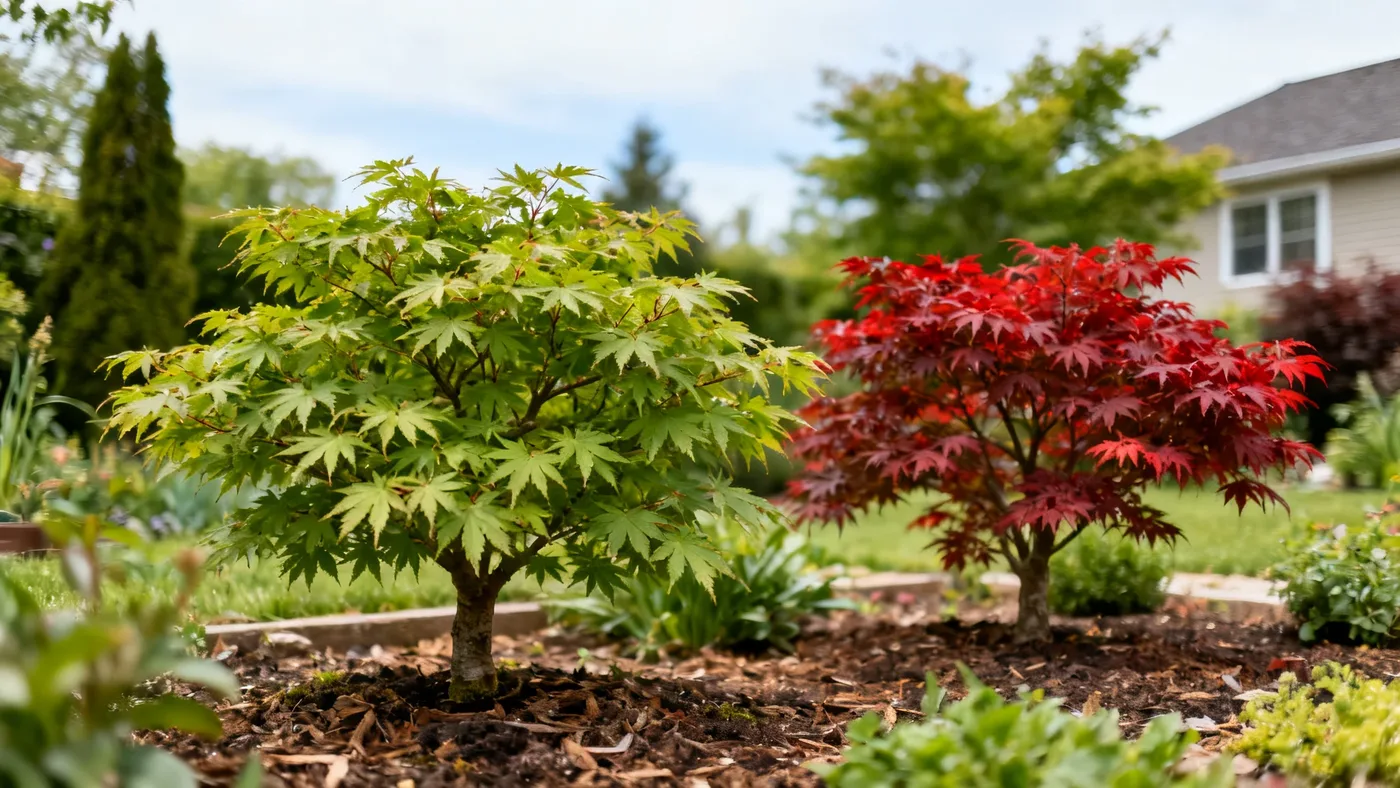
Sun and Shade Needs for a Healthy Dwarf Japanese Maple
Dwarf Japanese Maple is prized for its intricate foliage and stunning seasonal color, but getting the light exposure right is essential to avoid one of the most common problems: leaf scorch. The good news is that dwarf japanese maple sun requirements are straightforward once you understand what your plant needs and how to assess your garden. This guide walks you through finding the ideal spot and maintaining it year-round.
Understanding Dwarf Japanese Maple Light Requirements
Dwarf Japanese Maple thrives in part sun to part shade. This means roughly 2 to 4 hours of direct sunlight per day, or dappled light throughout the day. The plant is sensitive to excessive direct sun, particularly afternoon heat, which can scorch the delicate foliage. In cooler climates and coastal zones, the plant tolerates more sun. In hot climates, afternoon shade becomes critical.
The distinction matters because many home gardeners confuse shade tolerance with a preference for darkness. Dwarf Japanese Maple needs light to develop its signature color: burgundy, coral, gold, or variegated tones depend on adequate photosynthesis. Too little light produces weak growth and pale foliage. Too much direct afternoon sun causes the leaves to crisp and brown at the edges or fade prematurely.
Materials You May Need
- Notebook or phone for recording light observations
- Clock or timer to track sun hours
- Shade cloth (if supplemental shade is needed)
- Pruning saw or lopping shears (for limbing up trees to increase filtered light)
- Landscape stakes or fabric to anchor temporary shade structures
- Soil thermometer (optional, to monitor root zone temperature)
Step-by-Step: Finding and Maintaining the Right Light
Step 1: Determine Your USDA Hardiness Zone
Check your USDA hardiness zone. Dwarf Japanese Maple grows reliably in zones 5 to 8. Some cultivars reach zone 9, but they require afternoon shade even in milder climates. Knowing your zone helps you predict your maple's sun tolerance. In zone 5 and cooler coastal areas, the plant handles more direct sun. In zones 8 and 9, or in inland areas with hot summers, afternoon shade is non-negotiable.
Step 2: Evaluate Your Garden's Afternoon Sun Pattern
Walk your garden at 2 p.m., 4 p.m., and 6 p.m. on a clear, warm day (late spring or summer gives the truest picture). Note which areas receive direct sun and which are shaded. Pay special attention to the western and southern exposures, where afternoon heat is most intense. If your garden receives hard afternoon sun, you will need to provide shade via trees, structures, or shade cloth for the maple to thrive without leaf scorch.
Step 3: Scout for Natural Shade Sources
Look for existing trees, fences, walls, or structures that cast afternoon shade. Deciduous trees are ideal because they provide summer shade and allow winter light through, which benefits the maple. Position your dwarf japanese maple where it receives morning sun (which is gentler and supports photosynthesis) and afternoon shade (which prevents heat stress). If no natural shade exists, you can create it with shade cloth (30 to 50 percent shade is typical) or by planning to limb up an adjacent tree later.
Step 4: Test Light Levels Throughout the Day
Before planting permanently, observe the candidate spot over at least two full days. Early morning light, midday intensity, and afternoon exposure all matter. The ideal location feels bright at 9 a.m., stays reasonably lit through noon, and transitions to shade or dappled light by 3 p.m. If a spot gets full afternoon sun and no relief, it is not suitable unless you plan to shade it artificially.
Step 5: Plan Shade Solutions If Needed
If your garden is predominantly sunny, decide how to provide afternoon shade. Options include planting the maple on the east side of a fence, positioning it under the dappled canopy of a deciduous tree, or installing shade cloth on a frame. Shade cloth mounted on the south or west side of the plant is effective and can be adjusted or removed as the plant matures. Ensure any artificial shade allows air circulation to prevent fungal disease.
Step 6: Monitor After Planting and Adjust as Seasons Change
After planting, observe your dwarf japanese maple through its first full year. Note how it responds to the light it receives. Check the foliage color and leaf condition weekly during hot months. If you see early browning, leaf curling, or faded color despite adequate water, the plant is likely receiving too much sun. Conversely, if growth is weak and pale, increase light if possible. Remember that shade from deciduous trees changes as the canopy leafs out in spring and thins in fall, so monitor accordingly.
Common Mistakes and How to Avoid Them
Planting in full sun. Many gardeners mistakenly assume that because Japanese Maple is a tree, it needs full sun like an oak or maple. It does not. Even the hardiest cultivars in zones 5 and 6 prefer afternoon shade. Full sun on a dwarf japanese maple almost always results in leaf scorch.
Ignoring afternoon heat exposure. Morning sun is fine. Afternoon sun after 3 p.m. in hot climates is the culprit. If your site gets blasted by west-facing heat, adjust expectations or add shade cloth.
Forgetting to factor in wind. Leaf scorch from too much sun is compounded by dry wind. Choose a spot sheltered from strong afternoon winds if possible. Wind dries the foliage and increases stress, even if light levels are appropriate.
Assuming one zone rule fits all cultivars. Within the 5 to 8 zone range, specific cultivars like 'Bloodgood', 'Crimson Queen', and 'Tamukeyama' have slight variations in sun tolerance. Check the tag or supplier information for your specific cultivar.
Neglecting to monitor in the first year. A newly planted dwarf japanese maple can seem fine for weeks and then suddenly show stress during a heat wave. Weekly checks in the growing season catch problems early and allow you to add shade before serious damage occurs.
Spotting and Addressing Leaf Scorch
Leaf scorch on dwarf japanese maple appears as browning or bleaching at leaf edges and tips, often accompanied by curling or papery texture. Affected leaves may drop prematurely. The problem stems from excess sun, wind-driven water loss, or drought stress (which is compounded by high light).
If you notice early scorch, respond immediately. Increase watering frequency to keep the soil consistently moist but not waterlogged. Move or install shade cloth to filter afternoon sun. Prune off severely scorched branches if they comprise more than 10 to 15 percent of the canopy. Do not apply any chemical treatments; scorch recovery depends on cultural adjustment and time.
The foliage typically does not recover and green up once scorched, but new growth in subsequent weeks will be healthy if light and water conditions improve. In following seasons, if your shade and watering adjustments hold, the plant will regain normal foliage quality.
Expected Results and Timeline
Once positioned correctly, a dwarf japanese maple shows improved foliage color within 2 to 3 weeks. Leaves deepen in tone, lose any bleached appearance, and feel more supple. Growth remains slow by most tree standards (roughly 6 to 12 inches per year for established plants), but steady and healthy.
Fall color is often the most dramatic change you will notice. A maple receiving appropriate light produces brilliant red, orange, or gold foliage in autumn. A maple stressed by excess sun or poor conditions yields muted or inconsistent color. Full color development takes 2 to 3 years in a well-sited plant.
Winter interest (attractive branching and bark, especially in coral bark cultivars) is also enhanced by appropriate summer light, because the plant enters dormancy in better health.
Beyond Light: Connecting Sun Needs to Overall Care
Light requirements work in concert with water, soil, and temperature. A maple in the correct light but too dry will still scorch. For a complete care picture, read our full dwarf japanese maple care guide, which covers watering, soil, and seasonal maintenance.
If you are just starting and want to plant your maple from scratch, our planting guide walks through site selection, soil preparation, and first-season establishment, all with sun and shade in mind.
Quick Reference: Dwarf Japanese Maple Sun and Shade Placement
| Light Condition | Zones 5-6 (Cool) | Zones 7-8 (Warm) | Zone 9 |
|---|---|---|---|
| Morning sun + afternoon shade | Ideal | Ideal | Ideal |
| Part sun, dappled all day | Good | Good | Good |
| Full sun (6+ hours direct) | Risk of scorch | High risk of scorch | Not recommended |
| Full shade (no direct sun) | Weak growth, pale color | Weak growth, pale color | Poor performance |
| Afternoon shade needed? | Optional in cool climates | Essential | Essential |
Pre-Planting Checklist
- [ ] Confirm your USDA hardiness zone
- [ ] Observe afternoon sun patterns on 2 or more warm days
- [ ] Identify existing shade sources (trees, fences, structures)
- [ ] Assess wind exposure at candidate planting sites
- [ ] Plan supplemental shade (cloth, tree limbing, or positioning) if needed
- [ ] Verify drainage at the site (separate from light, but equally important)
Post-Planting Monitoring Checklist
- [ ] Check foliage appearance weekly May through September
- [ ] Record any leaf scorch or color changes
- [ ] Maintain consistent soil moisture, especially during heat waves
- [ ] Adjust shade cloth or position if problems emerge
- [ ] Note fall color intensity as a feedback on light adequacy
- [ ] Evaluate placement again in year 2 and adjust if needed