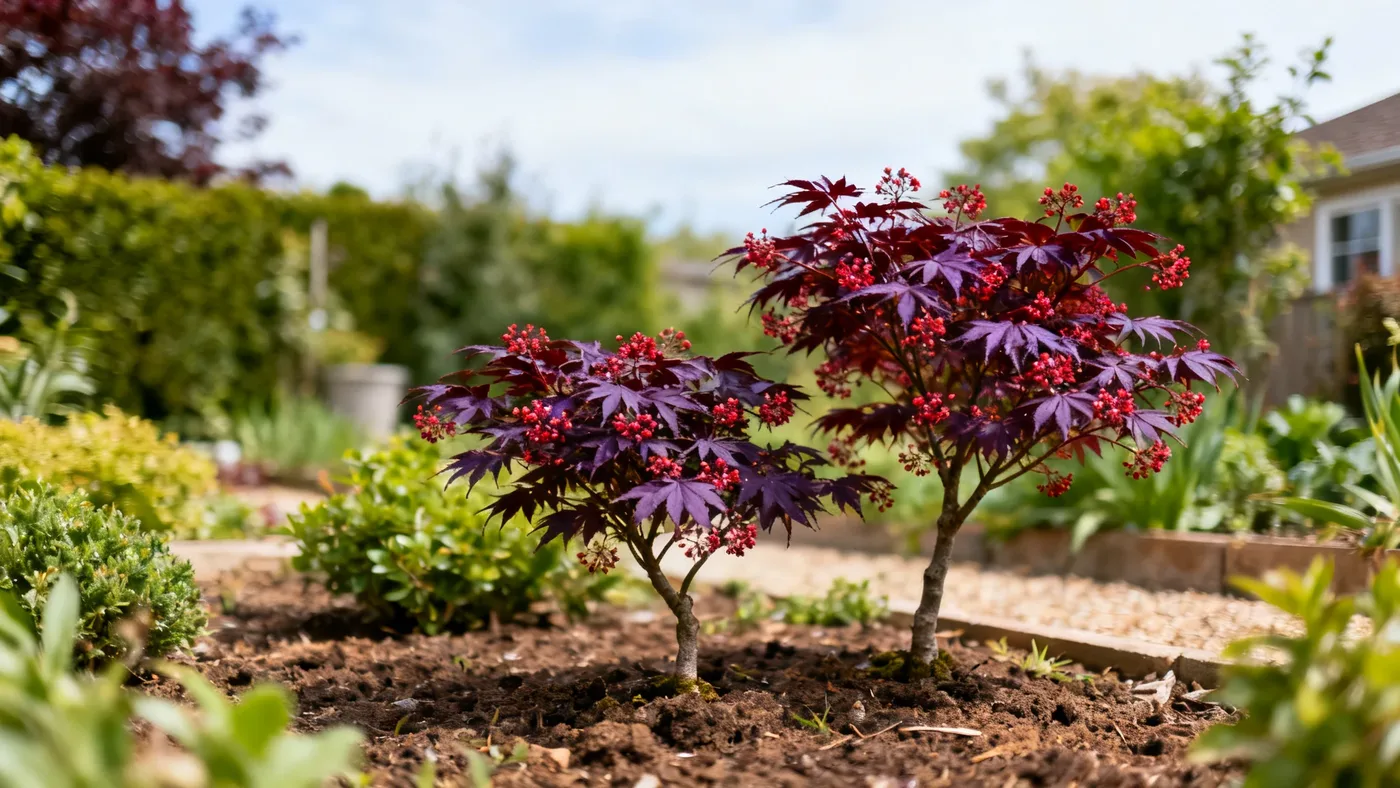
Why Dwarf Japanese Maples Have Such Stunning Fall Color
As September turns to October, the Dwarf Japanese Maple becomes the garden's main attraction. While most trees are still green, these compact ornamentals ignite with reds, oranges, and golds that can hold their intensity for weeks. If you've ever stood in front of a Dwarf Japanese Maple at peak fall and wondered why the color looks almost electric, you're not alone. The answer lies in the plant's genetics, the cultivar you choose, and the care you give it through the growing season.
Right now, in late September, early-colored cultivars in zones 5 and 6 are already beginning their color shift. This is the perfect time to understand what drives that transformation and what you can do to get the most vibrant display year after year.
The Science Behind Fall Color
Fall color in Dwarf Japanese Maple isn't random. Throughout the growing season, the leaves produce chlorophyll, the green pigment that powers photosynthesis. As days shorten and temperatures drop in autumn, the plant reabsorbs nutrients from the leaves and stops making new chlorophyll. That's when other pigments, already present in the leaf but hidden beneath the green, finally show themselves.
Red and burgundy tones come from anthocyanins, pigments the plant produces in response to bright light and cool nights. The more intense the autumn sun and the greater the temperature swings between day and night, the deeper and more vivid these reds become. Yellow and orange hues come from carotenoids, which were there all along but are only visible once the green fades. This is why a warm, calm autumn can produce muted fall color, while a crisp one with cool nights and sunny days delivers intense reds and deep oranges.
Dwarf Japanese Maples lean heavily toward red and burgundy displays. That's built into the plant's biology. The cultivar you choose determines the specific shade and whether you'll get crimson, scarlet, burgundy, orange-red, or pure gold.
Which Dwarf Japanese Maple Cultivars Deliver the Best Fall Color
Not all Dwarf Japanese Maple cultivars turn the same color, and knowing what to expect helps you plan your garden for maximum impact. Here are the main color profiles you'll encounter:
Deep Red and Burgundy Cultivars
'Bloodgood' lives up to its name. This upright dwarf stays deep red throughout the fall, sometimes nearly black-red by late October. The color is consistent and reliable across zones 5 through 8. 'Tamukeyama' is a weeping form that turns brilliant red in fall, with leaves that seem to glow when backlit by morning or afternoon sun. Both develop their richest color in cooler zones (5 and 6) and maintain good intensity even in zone 8 with afternoon shade.
Crimson and Scarlet Cultivars
'Crimson Queen', a weeping dwarf with finely cut leaves, transitions to a glowing crimson red that holds for weeks. 'Shaina' is a compact, upright form that turns brilliant red and holds that color longer than many other cultivars into November. Both are reliable performers in zones 5 through 8.
Red-Orange and Multi-Tone Cultivars
'Beni Maiko' offers a mix of red, orange, and gold in the same tree, creating a striped or mottled effect as leaves transition. This cultivar is prized precisely because it doesn't turn a uniform color; instead, it shows multiple tones simultaneously, making the fall display feel more dynamic.
Coral Bark and Winter Interest
'Sango-kaku', also called coral bark maple, turns orange-yellow in fall but is grown equally for its bright coral-red stems that light up the garden in winter. The fall color is secondary to the architectural beauty of the branching structure once leaves drop.
Environmental Factors That Drive Intensity
The same cultivar can show dramatically different fall color depending on where it grows and how you care for it. Here's what matters most.
Light
Dwarf Japanese Maple grows best in part sun to part shade, with morning sun and afternoon shade recommended in hot climates. For fall color specifically, the plant needs bright light. Morning sun is essential; afternoon shade in zones 7 and 8 protects the leaves from scorching during the heat of summer, but by late September when temperatures moderate, that afternoon sun actually boosts red pigment production. If your tree is in deep shade, expect muted oranges and pale reds. If it gets moderate morning sun with some afternoon light, you'll see richer, more vibrant color.
Water and Drainage
Consistent moisture is critical. Dwarf Japanese Maple has low drought tolerance, and water stress during the growing season weakens the tree's ability to produce vivid fall color. The plant needs well-draining loam that doesn't stay waterlogged; simultaneously, it should not dry out. In late summer and early fall, maintain moderate, consistent moisture. During extended dry spells in September or October, water deeply if rain doesn't arrive. A tree under drought stress may drop its leaves early or produce pale, underwhelming fall color.
Soil drainage matters because poor drainage leads to root rot and general stress, both of which suppress fall color intensity. Dwarf Japanese Maple prefers slightly acidic to neutral soil (a pH around 5.5 to 6.5), rich in organic matter. Well-draining loam with some compost mixed in supports both the tree's vigor and its color display.
Temperature and Timing
Cool nights and warm days in autumn unlock the most intense reds. Zones 5 and 6 typically see the most vivid fall displays because the temperature swings are greatest. Zones 7 and 8 still show excellent color, but it may arrive later and can be slightly less intense if autumn stays warm. The plant triggers color change based on day length and temperature, not by a specific calendar date. Early fall color (late September in zone 5, early October in zone 6) usually signals that the cool nights have begun.
Seasonal Timeline by Zone
Here's when to expect peak fall color in Dwarf Japanese Maple across different regions:
- Zone 5: Color begins late September, peaks mid-October, holds through late October. Leaves typically drop by early November.
- Zone 6: Color begins early October, peaks mid to late October, holds into November. Leaves drop by mid-November.
- Zone 7: Color begins mid-October, peaks late October through early November. Leaves drop by late November.
- Zone 8: Color begins late October, peaks November, often holds into December. Some leaves may persist into early January in mild years.
These are ranges, not guarantees. A warm autumn compresses the timeline. An early cold snap can accelerate it. The most vibrant color typically lasts 2 to 3 weeks at peak.
Tips for Maximizing Fall Color
Plan for the Right Cultivar Now
If you don't yet have a Dwarf Japanese Maple, this is an excellent time to plan your purchase for next spring. Visit a local nursery in October to see which cultivars' fall colors appeal to you. Note the plant's size in its pot (nursery-grown plants are usually sold in quart, #1, or #3 containers) and its mature spread. Most dwarf cultivars reach 4 to 8 feet tall and equally wide at maturity, so choose your planting location with that final size in mind. For more on selecting and planting, see our guide to buying a Dwarf Japanese Maple.
Provide Consistent Water Through September and October
Many gardeners stop watering once cooler weather arrives. Don't. The tree is still actively transpiring and building sugars in its leaves. Water when rainfall is sparse, aiming for consistently moist (not soggy) soil. A 2 to 3-inch layer of mulch around the base helps retain moisture and keeps roots cool.
Avoid Heavy Pruning in Late Summer
Heavy pruning in July or August can trigger new growth that won't harden off before winter and will divert energy from fall color intensity. If pruning is needed, do it in late fall after leaves drop or in late winter while the plant is fully dormant. Light deadwood removal is fine anytime, but save major shaping for winter dormancy.
Minimize Fertilizer in Late Season
If you feed your tree in early spring with a balanced, slow-release fertilizer formulated for woody ornamentals, that's sufficient. Late-season nitrogen feeding can promote soft growth at the expense of color intensity. Let the plant wind down naturally.
Ensure Good Air Circulation
Air movement helps cool the leaves and encourages the temperature swings that deepen red pigmentation. Avoid planting your Dwarf Japanese Maple in a low-lying, still pocket where cold air settles and stays. Open exposure to gentle air movement supports better color.
Companion Plantings That Complement Fall Color
Dwarf Japanese Maples are often the show-stopper, but you can extend the seasonal display by pairing them with complementary plants. Azaleas, hostas, ferns, hellebores, and dwarf conifers all work well in the same part-shade setting. Some dwarf conifers turn bronze or copper in cool weather, creating a rich backdrop for the reds and oranges of the maple. For detailed care guidance on your established tree, see our Dwarf Japanese Maple care guide.
Quick Reference: Fall Color Checklist
| Factor | Best Practice | Timing |
|---|---|---|
| Cultivar Selection | Choose by desired color (deep red, crimson, gold); verify hardiness for your zone | Plan now for spring purchase; observe mature trees in October |
| Sunlight | Morning sun + afternoon shade; moderate light minimum for vibrant color | Year-round |
| Watering | Consistent moisture, never waterlogged; maintain through fall | May through November |
| Soil | Well-draining loam, pH 5.5–6.5, rich in organic matter | At planting; improve existing soil before fall |
| Pruning | Avoid heavy cuts in July–August; prune in late fall or winter | Late fall dormancy or late winter |
| Fertilizing | Light spring feeding only; avoid late-season nitrogen | Early spring with balanced, slow-release formula |
| Expected Color Peak | Zone 5: mid-Oct | Zone 6: mid-late Oct | Zone 7: late Oct–early Nov | Zone 8: November | Lasts 2–3 weeks at peak |