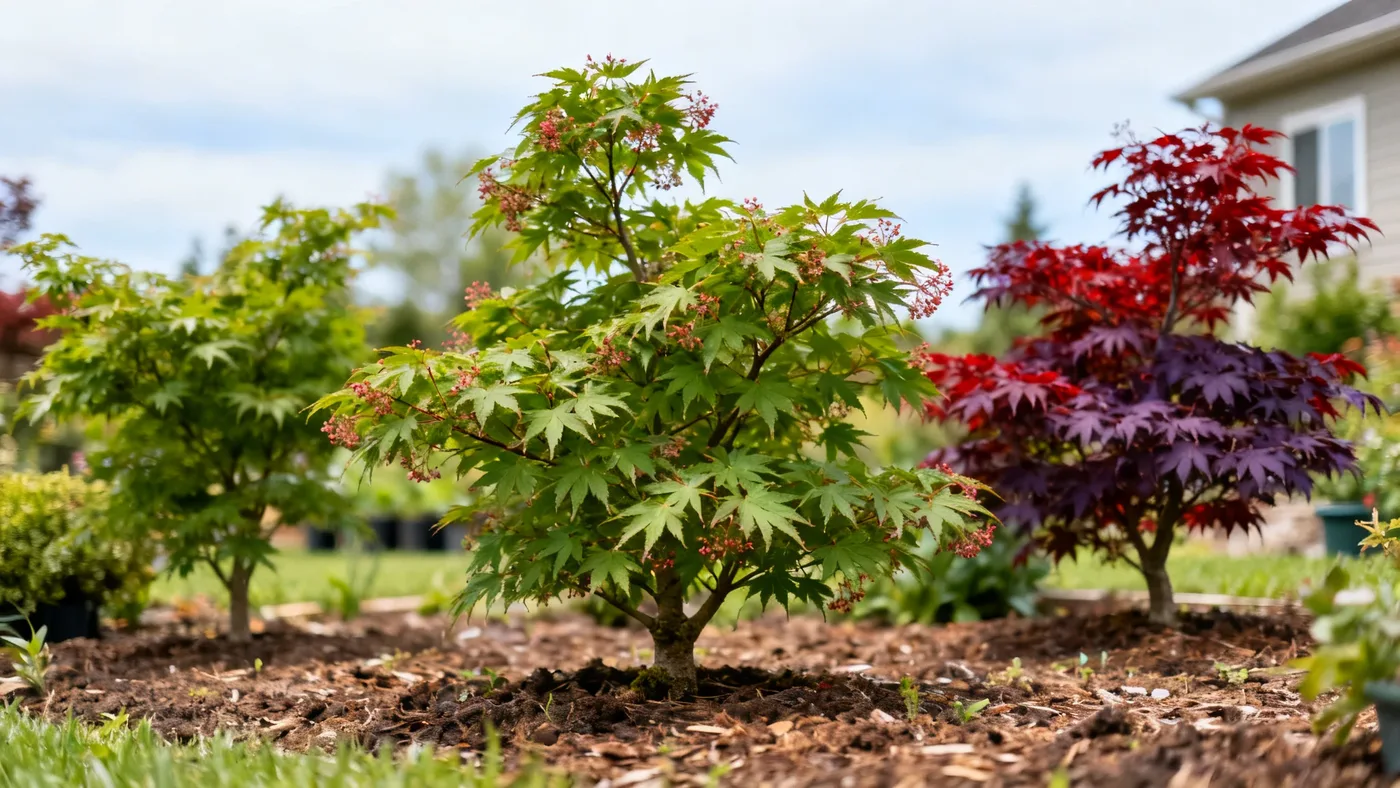
What Hardiness Zones Are Best for Dwarf Japanese Maples?
Basic Zone Information
What USDA hardiness zones can dwarf Japanese maples grow in?
Dwarf Japanese maples thrive in USDA zones 5 through 8, with some cultivars extending to zone 9 when given afternoon shade. Zone ratings measure the average minimum winter temperatures in an area, and dwarf Japanese maples are generally reliable in these ranges because their dormancy protects them from extreme cold. If you know your zone, you have a solid starting point, but cultivar selection and microclimate details matter just as much as the zone number itself.
Are dwarf Japanese maples cold hardy?
Yes, dwarf Japanese maples are quite cold hardy compared to many ornamental trees and shrubs, which is why they have become popular landscape plants across much of the northern United States. Most cultivars survive zone 5 winters without supplemental protection, though establishing them in their first year and choosing a protected microclimate improves success. Their cold tolerance comes from their deciduous nature: they drop leaves and go dormant when temperatures fall, reducing stress on the plant.
What happens if I plant a dwarf Japanese maple outside its recommended zone?
Planting outside the recommended zone usually results in winter dieback, where above-ground growth dies back but the roots may survive, or complete plant death in extreme cold. Even when they technically survive, plants at the edge of their cold range often show weakened growth, stunted size, and poor fall color compared to plants grown in optimal zones. In warmer zones than recommended, heat stress and leaf scorch become the primary concern rather than cold hardiness.
Can I grow dwarf Japanese maples in zone 9?
Some dwarf Japanese maple cultivars can grow in zone 9, but they require afternoon shade to prevent leaf scorch and heat stress, and consistent moisture to handle summer heat. Not all cultivars are equally tolerant of zone 9 conditions, so checking the specific cultivar's heat tolerance is essential before planting. Even in zone 9 with shade, you will get their best performance by providing afternoon protection and rich, well-draining soil that retains moisture.
Do dwarf Japanese maples need extra protection in zone 5?
Zone 5 is at the lower end of the hardiness range, so choosing cultivars specifically known for cold hardiness and planting in a protected spot with windbreak shelter helps improve survival rates. Site selection matters most: avoid exposed hilltops or areas that face harsh winter winds, and choose locations that stay somewhat protected by nearby structures or evergreens. Most zone 5 gardeners who select cold-hardy cultivars find that dwarf Japanese maples perform well without special protection once established.
Cultivar-Specific Zones
Do all dwarf Japanese maple cultivars have the same cold tolerance?
No, dwarf Japanese maple cultivars vary in their cold tolerance, with some hardy to zone 5 and others better suited to zone 7 or 8. Cultivars like 'Bloodgood' and 'Tamukeyama' are known for solid zone 5 cold hardiness, while others like 'Beni Maiko' tend to be less cold hardy. Checking the cultivar name before purchase ensures you are getting one suited to your zone and climate.
Which dwarf Japanese maple cultivars are most cold hardy?
'Bloodgood', 'Tamukeyama', and 'Shaina' are among the most reliably cold-hardy cultivars for zone 5 gardeners. 'Crimson Queen' also shows good cold tolerance, though it performs best with some wind protection. If you are in zone 5, prioritizing these cultivars gives you the best chance of success without microclimate adjustments.
Is 'Bloodgood' hardy in zone 4?
'Bloodgood' dwarf Japanese maple is rated for zone 5 hardiness, which means zone 4 winters may cause significant dieback or death, especially in exposed locations. Zone 4 gardeners would need exceptional site selection, a south-facing slope with wind protection, and possibly artificial winter insulation to attempt 'Bloodgood'. Generally, zone 4 growers should consider trees rated specifically for zone 4 rather than pushing the boundaries with a zone 5 cultivar.
Which cultivars work best for zone 8?
'Bloodgood', 'Crimson Queen', and 'Shaina' all do well in zone 8, where cold is rarely the limiting factor and afternoon shade becomes important to prevent summer scorch. In zone 8, focus on consistent moisture and afternoon shade rather than winter protection. Verify soil drainage in zone 8, as the combination of heat, humidity, and poor drainage creates root rot risk.
Sun, Shade, and Regional Climate
Why does afternoon shade matter more in warmer zones?
In warmer climates, afternoon sun and heat stress cause leaf scorch, a browning and curling of leaf edges that damages appearance and weakens the plant. Afternoon shade filters out the most intense heat and ultraviolet rays of the day, keeping leaf temperatures lower and soil moisture more consistent. A location with morning sun and afternoon shade is the ideal balance in zones 7, 8, and especially zone 9.
Can I grow dwarf Japanese maples in hot climates?
Yes, but heat tolerance in zones 8 and 9 requires afternoon shade, rich soil with good moisture retention, and consistent watering, especially during dry periods. Without shade, dwarf Japanese maples in hot zones are prone to leaf scorch and stress, even if the cultivar is cold hardy enough for the zone. Treating heat protection as seriously as frost protection is the key to success in warm climates.
What is the difference between sun tolerance in cool versus warm climates?
In cool zones (5 to 6), dwarf Japanese maples tolerate more direct sun because air temperatures and soil heat stress are lower, and cooler nights give leaves a chance to recover. In warm zones (7 to 9), the same sun exposure creates dangerously high leaf and soil temperatures that cause scorch and stress. This is why zone becomes a context for sun exposure: a location sunny enough for zone 5 may be too harsh for zone 8.
Late Frost and Winter Risks
How do late spring frosts affect dwarf Japanese maple leaves?
Late spring frosts kill emerging new leaves on dwarf Japanese maples, creating brown, withered foliage or leaving bare branches where growth was about to unfold. A single hard frost after leaves emerge can set the plant back weeks or force a second flush of growth that weakens the plant for the season. Planting in a location protected from late frost, such as on the east side of a building that blocks cold morning air, reduces this risk.
What is the best time to plant a dwarf Japanese maple to avoid frost damage?
Early spring (before leaf emergence) or early fall (after heat stress ends) are ideal planting windows that avoid both late spring frosts and summer heat stress. Planting in late spring or summer means the plant is establishing roots during the hottest, most stressful part of the year, weakening its cold tolerance the following winter. Follow the complete care guide for step-by-step planting instructions.
Container Growing and Winter Protection
Can I grow dwarf Japanese maples in containers in cold zones?
Yes, dwarf Japanese maples are well suited to container growing and often sell as nursery-grown plants in quart, #1, or #3 containers, but containers in cold zones require winter root protection because soil in a pot freezes much faster and deeper than in-ground soil. Moving containers to an unheated garage, shed, or against a south-facing building wall provides enough protection for zone 5 and 6 growing. In zone 4, you may need additional insulation like burlap wrap or a cold frame to keep roots from freezing solid.
Do containers need winter insulation in zone 5?
Container roots in zone 5 benefit from winter insulation because soil in a pot freezes at a slightly higher temperature than the air, and exposed sides lose heat quickly. Moving the container against a south-facing wall, wrapping the pot in burlap, or grouping containers together for insulation helps protect roots. This is especially important in the first two years after planting, when the root system is still small and vulnerable.
Soil and Drainage
Does poor drainage affect cold hardiness?
Yes, poor drainage is one of the most common reasons dwarf Japanese maples fail in otherwise suitable zones: waterlogged soil in winter causes root rot and dieback even when air temperatures stay within the cold-hardiness range. Well-draining, rich loam keeps roots healthy and better able to survive cold. If your native soil drains poorly, building a raised bed or mound with imported soil is often more effective than trying to amend heavy clay.
Why do dwarf Japanese maples sometimes fail in their rated zone?
Failure in a rated zone usually traces to one of three factors: poor drainage causing winter root rot, late spring frost damaging new growth, or site exposure to harsh wind and sun. A dwarf Japanese maple rated for zone 5 needs the right combination of zone temperature, good drainage, shelter from frost pockets, and appropriate shade or wind protection. Even zone-appropriate plants fail if the microclimate, soil, or site selection works against them.
Quick Reference: Hardiness Zone Guide
| Zone | Best Cultivars | Special Considerations |
|---|---|---|
| 5 | Bloodgood, Tamukeyama, Shaina | Wind protection, well-draining soil, some afternoon shade |
| 6 | Most cultivars perform well | Consistent moisture, afternoon shade in summer |
| 7 | Most cultivars including Crimson Queen | Afternoon shade becomes more important, consistent watering |
| 8 | All cultivars with afternoon shade | Afternoon shade essential, rich soil, regular moisture |
| 9 (with afternoon shade) | Heat-tolerant cultivars | Afternoon shade mandatory, consistent moisture, avoid full sun |