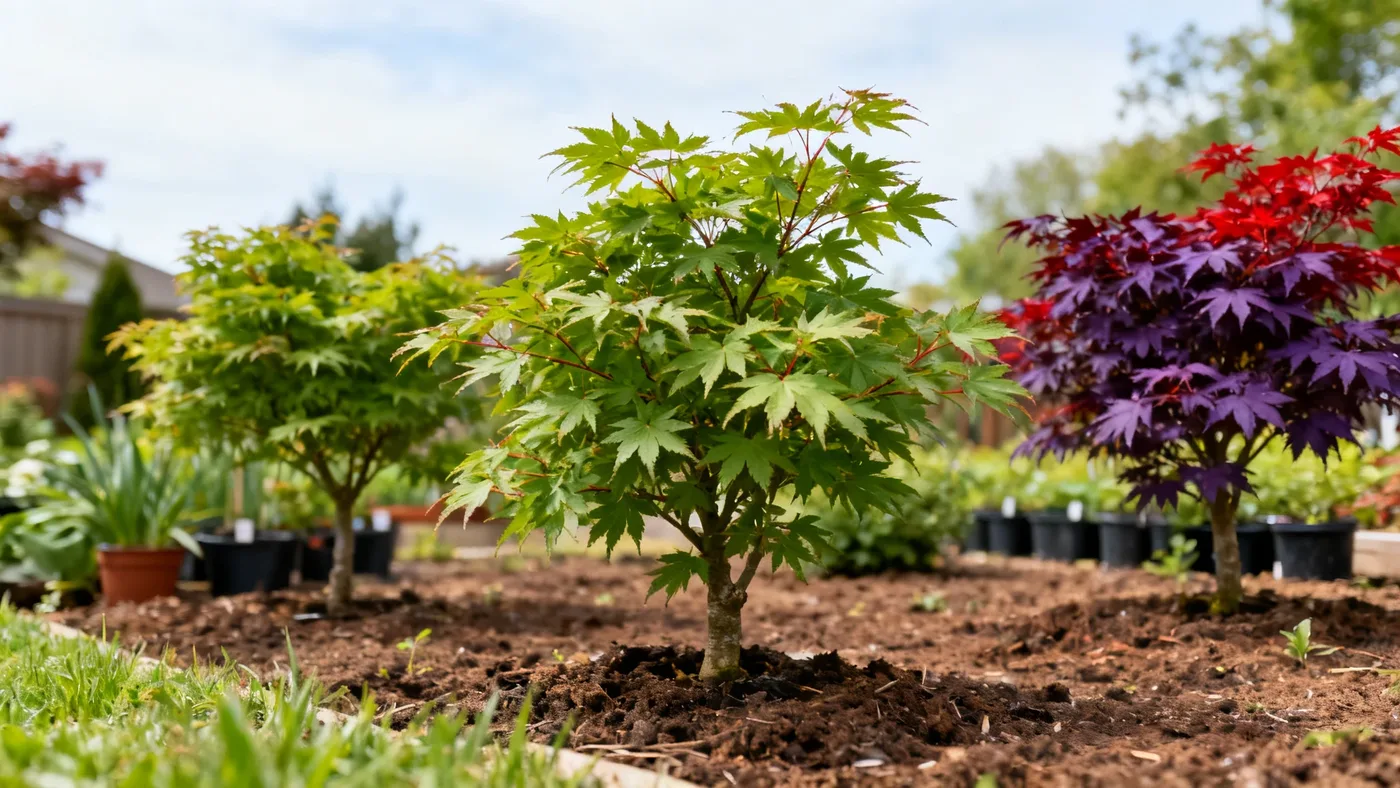
Is the Dwarf Japanese Maple Deer and Rabbit Resistant?
The Dwarf Japanese Maple (Acer palmatum dwarf cultivars) offers moderate deer resistance with a proven track record in gardens where wildlife browsing is a real concern. The plant does occasionally attract deer, especially in colder months when food is scarce, but its ornamental structure and foliage make it less appealing than many landscape alternatives. If you're planning a garden in a high-deer area or have seen rabbits in your yard, understanding how this plant fares against wildlife pressure is essential before you plant.
Deer Resistance and Browsing Behavior
Are Japanese maples actually deer resistant?
Japanese maples, including dwarf cultivars, have moderate deer resistance. This means deer will browse them occasionally, particularly during winter when other food sources are limited, but the plant is not a preferred food source. Nurseries and gardeners across USDA zones 5 through 8 report that dwarf Japanese maples are more resistant to deer damage than many ornamental trees, though they are not deer-proof.
What does "moderate deer resistance" really mean for my landscape?
Moderate deer resistance means the plant is nibbled less often than highly preferred plants like hostas or tender shrubs, but may still experience some browsing. In gardens with low to moderate deer populations, a Dwarf Japanese Maple will likely remain unharmed. In areas with high deer density or during severe winter conditions, you may see nipped leaf tips or twigs, though the plant typically recovers quickly.
Will deer eat the leaves off my Dwarf Japanese Maple?
Deer rarely strip Dwarf Japanese Maples completely bare, though they may browse the outer foliage and tender growing tips. The deeply lobed palmate leaves, which are the plant's signature feature, seem to be less palatable than softer ornamental foliage. Most browsing occurs from late fall into early spring when deer are hungriest and ground-level plants are scarce.
Which Dwarf Japanese Maple cultivars are less appealing to deer?
Cultivars with deep burgundy or red foliage, such as 'Bloodgood' and 'Crimson Queen,' appear to be browsed slightly less frequently than green-leaved varieties, though this difference is not dramatic. 'Tamukeyama' and 'Shaina' are also grown in deer-pressure areas with generally good results. The best deer-resistant choice remains the one suited to your climate and site conditions, since an unhealthy plant attracts more browser damage than a thriving one.
When is my Dwarf Japanese Maple most vulnerable to deer?
Late fall through early spring presents the highest risk, when deer turn to woody plants for food as herbaceous growth disappears. Young trees and newly planted specimens face more pressure because new growth is tender and easier to browse. Established trees in full sun with strong growth tend to recover quickly from minor browsing damage.
Can I grow a Dwarf Japanese Maple in a very high-deer zone?
Yes, but you'll want fencing or other protection in place. If your neighborhood experiences severe deer pressure (multiple visits per week or reported herd activity), consider installing 6-foot fencing around your planting area or using individual tree guards until the plant reaches maturity. An established Dwarf Japanese Maple in zones 5 through 8 is rarely seriously damaged, but protection during the first 3 to 5 years offers insurance.
Rabbit and Small Animal Resistance
Are Dwarf Japanese Maples rabbit resistant?
Dwarf Japanese Maples have good resistance to rabbit browsing, though rabbits will occasionally sample the bark and lower branches. Rabbits typically prefer softer plants like young fruit trees, tender shrubs, and vegetable crops over the tougher foliage of Japanese maples. Your Dwarf Japanese Maple is a much safer investment in rabbit country than a young apple tree or a yew shrub.
What about voles, squirrels, and other small mammals?
Voles rarely damage Japanese maple roots or bark because the plant does not have the soft, food-rich bark that attracts rodent girdling. Squirrels do not browse Dwarf Japanese Maples as a food source. Larger wildlife such as raccoons or opossums may knock branches in search of insects, but they cause minimal structural harm compared to the benefits the plant offers as a garden focal point.
Is the Dwarf Japanese Maple toxic to deer, rabbits, or pets?
The Dwarf Japanese Maple is not known to be toxic to deer, rabbits, or pets according to the ASPCA. This means that if a deer or rabbit does browse the plant, there is no chemical deterrent. The plant's resistance to herbivory comes from its texture and palatability alone, not from toxins or defensive chemistry.
Will birds or beneficial insects avoid my Dwarf Japanese Maple?
No. The Dwarf Japanese Maple serves as a minor nectar source for early-season bees and provides shelter and perching for songbirds. The plant is not repellent to wildlife in general, rather it is simply not a preferred food source for browsers. It is an excellent choice if you want to support pollinators and songbirds while protecting against deer damage.
Plant Safety and Non-Toxicity
Can I plant a Dwarf Japanese Maple in a garden where pets graze or roam?
Yes. Because the Dwarf Japanese Maple is not toxic to pets, horses, dogs, or cats, it is safe to plant near areas where animals have access. However, if your pets aggressively chew or strip bark from plants out of boredom or stress, physical protection (a fence or guard around the tree trunk) is still recommended for the plant's health, not for safety reasons.
Are the red or burgundy leaves of some cultivars poisonous?
No. The leaf color of cultivars like 'Bloodgood' or 'Crimson Queen' comes from anthocyanin pigments, not toxins. All parts of the Dwarf Japanese Maple are non-toxic. The rich fall colors that make these plants so prized are completely safe for curious pets to investigate, though you'd still want to discourage excessive nibbling to keep your tree healthy.
Is it safe to plant Dwarf Japanese Maples in areas where wild deer hunt for food?
Yes. Even though the plant is not toxic, deer browsing does not harm the animals and reflects only the plant's low palatability. You can plant with confidence that any wildlife interaction will be a non-issue for the animal's health. The main concern is protecting your tree from damage, not protecting the deer.
Prevention and Protection Strategies
What's the most effective way to protect a Dwarf Japanese Maple from deer?
A sturdy fence at least 6 feet tall is the most reliable deterrent, installed before or immediately after planting. For individual trees, heavy-duty plastic tree guards, metal mesh cages, or burlap wrapping applied in fall and removed in spring work well on young plants. Commercial deer repellents (capsaicin or garlic-based sprays) offer moderate, temporary results and must be reapplied after rain.
Should I use repellent sprays on my young Dwarf Japanese Maple?
Deer repellent sprays can reduce browsing on young trees when applied consistently, but they are most effective as a short-term strategy (first 2 to 3 years) in moderate-pressure areas. In high-pressure zones, repellents alone rarely prevent all damage. Always follow the product label for application frequency, especially in rainy seasons, and test a small branch first to ensure the spray doesn't damage foliage.
Can I protect a container-grown Dwarf Japanese Maple from deer?
Yes, and containers are actually an excellent option in very high-deer areas. You can move a container-grown Dwarf Japanese Maple to a sheltered patio, enclosed porch, or fenced area during the most vulnerable seasons (late fall and winter). Container cultivation keeps the plant healthy with excellent drainage and allows complete control over browsing pressure.
What should I do if my Dwarf Japanese Maple is browsed by deer?
Light browsing usually requires no intervention; the plant will heal and regrow within one growing season. Do not prune or apply wound dressing unless branches are torn or severely damaged. If extensive damage occurs, install fencing or guards immediately and monitor the plant for disease entry. A healthy Dwarf Japanese Maple with its slow growth rate (6 to 12 inches per year) recovers gradually but steadily.
Does planting in a very sunny location attract more deer browsing?
Sunlight exposure does not directly affect deer attraction, but a plant in full sun tends to be healthier and more vigorous, making it more resistant to the stress of browsing. Dwarf Japanese Maples actually prefer part sun to part shade (morning sun with afternoon shade in hot climates), so plant them in their ideal conditions for the strongest growth and fastest recovery from any wildlife pressure.
Cultivar Choices and Landscape Integration
Should I choose a specific cultivar if deer are present in my area?
Your choice should prioritize hardiness (zones 5 to 8 for most dwarf cultivars) and your site's light and soil conditions over deer resistance. Healthy cultivars that thrive in your climate will recover faster from any browsing than a stressed plant in poor conditions. 'Bloodgood,' 'Crimson Queen,' 'Tamukeyama,' and 'Shaina' all perform well across zones 5 to 8 in suitable sites.
Can I mix Dwarf Japanese Maples with highly deer-resistant companion plants?
Absolutely. Pair a Dwarf Japanese Maple with established deer-resistant companions like azaleas, ferns, hellebores, or dwarf conifers to create a diverse, attractive garden. The Dwarf Japanese Maple will stand out as a specimen while its neighbors draw less wildlife pressure overall. This approach works especially well in foundation plantings and Japanese-style gardens.
Is a Dwarf Japanese Maple a good choice for a wildlife-friendly garden?
Yes. The Dwarf Japanese Maple provides shelter and minor nectar sources for bees while remaining non-toxic to all wildlife. It's an excellent centerpiece for a garden that welcomes birds and pollinators without the liability of highly palatable plants. The dramatic foliage and branching structure make it visually striking even in a garden designed to support wild creatures.
Quick Reference: Deer and Rabbit Resistance at a Glance
| Factor | Details |
|---|---|
| Deer Resistance | Moderate; occasionally browsed, not preferred food source |
| Rabbit Resistance | Good; rabbits rarely damage foliage or bark |
| Toxicity to Wildlife | Non-toxic to deer, rabbits, pets (per ASPCA) |
| High-Risk Season | Late fall through early spring |
| Most Effective Protection | 6-foot fencing or tree guards during establishment (3-5 years) |
| Recovery from Browsing | Good; moderate damage heals within one growing season |
| Best Zones for Planting | USDA 5-8 (some cultivars to zone 9 with afternoon shade) |
| Growth Rate | Slow, roughly 6-12 inches per year |
| Container Growing | Suitable for high-deer areas; allows seasonal relocation |
| Recommended Cultivars | 'Bloodgood,' 'Crimson Queen,' 'Tamukeyama,' 'Shaina' |
Learn More About Growing Dwarf Japanese Maples
For comprehensive guidance on site selection, planting, and long-term care, see our Dwarf Japanese Maple Care Guide: Everything You Need to Know. That resource covers soil pH, drainage requirements, spacing, seasonal maintenance, and cultivar-specific tips to help your tree thrive in zones 5 through 8.